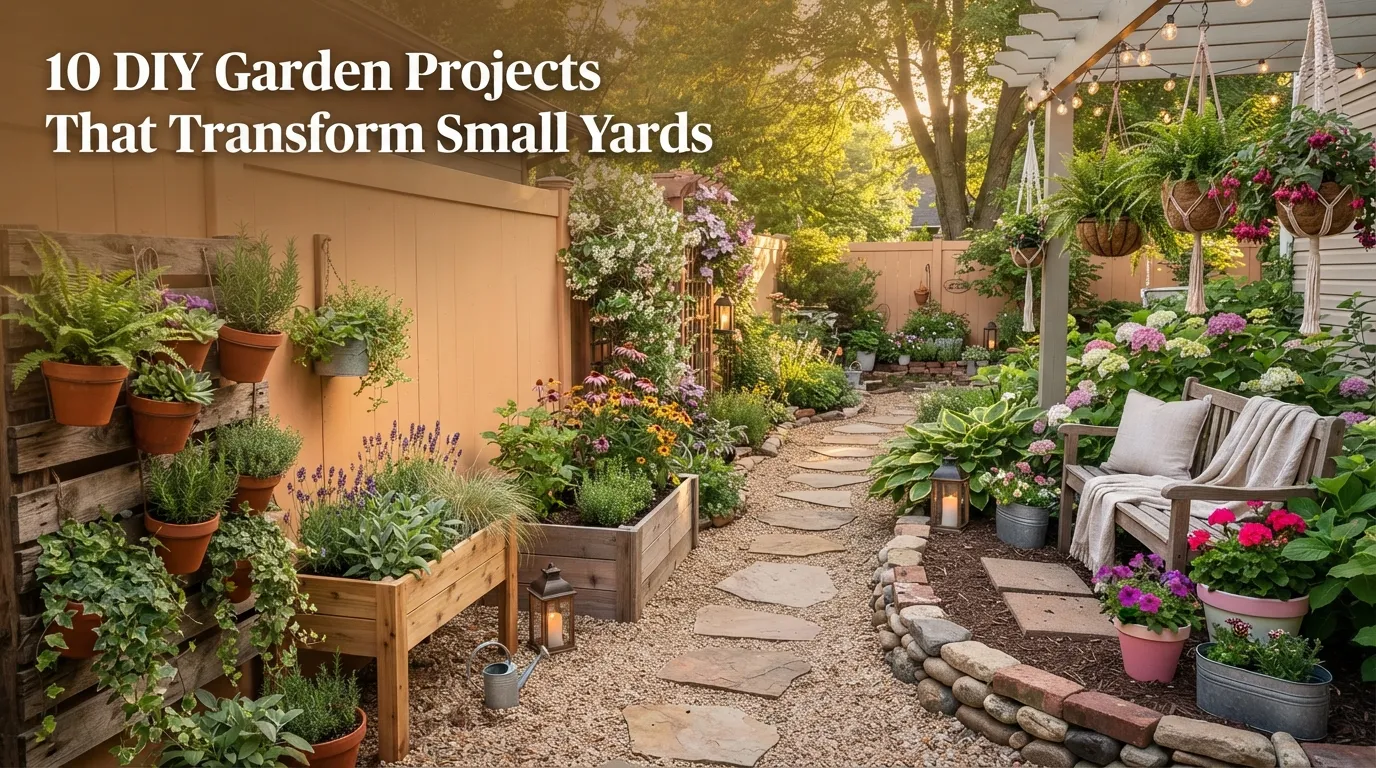
10 DIY Garden Projects That Transform Small Yards
A small yard can be surprisingly versatile. You don’t need a large lawn, an expansive flower bed, or a complicated landscape plan to create an outdoor space that feels beautiful and useful.
The trick is to make every part of the yard work a little harder.
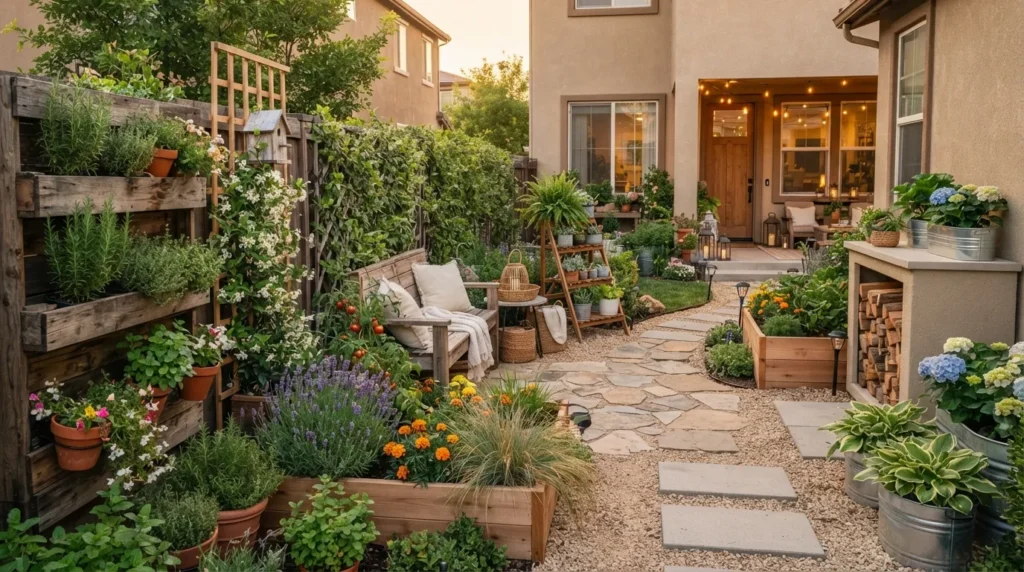
A narrow side area can become a vertical garden. An unused corner can turn into a cozy seating nook. A plain fence can become a backdrop for climbing plants, hanging planters, or simple outdoor decor. Even a few reclaimed materials can create structure and personality when they’re used thoughtfully.
In my experience, small yards look their best when they have a clear purpose rather than too many separate features. Instead of trying to squeeze a full-size garden into a limited footprint, focus on projects that add height, function, greenery, or visual interest without taking away valuable walking space.
DIY projects are particularly useful because you can adjust them to the exact dimensions of your yard. A planter can be made narrower. A garden path can follow an unusual shape. A trellis can fit a specific fence section. A small raised bed can be designed around the amount of sunlight available.
These projects are designed with compact outdoor spaces in mind. Some add growing space, while others create seating, organization, privacy, or decorative focal points.
Before beginning any project, check local requirements, property rules, utility locations, drainage conditions, and the suitability of materials for outdoor use. For structural projects, use appropriate hardware and construction methods for your specific conditions.
With a little planning, even a modest backyard can feel layered, intentional, and full of life.
Table of Contents
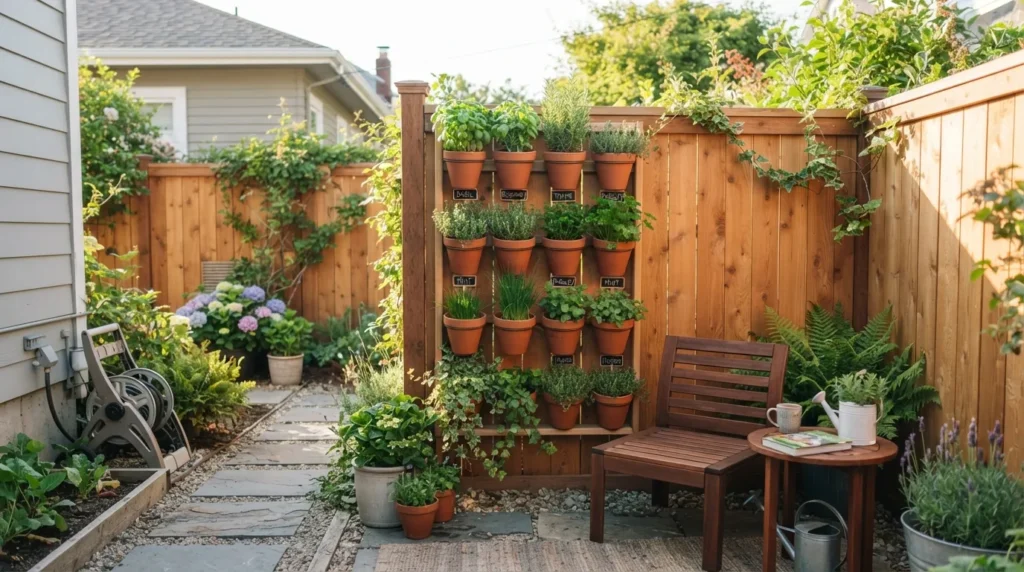
1. Vertical Herb Garden
Turn an unused wall or fence into a productive growing area.
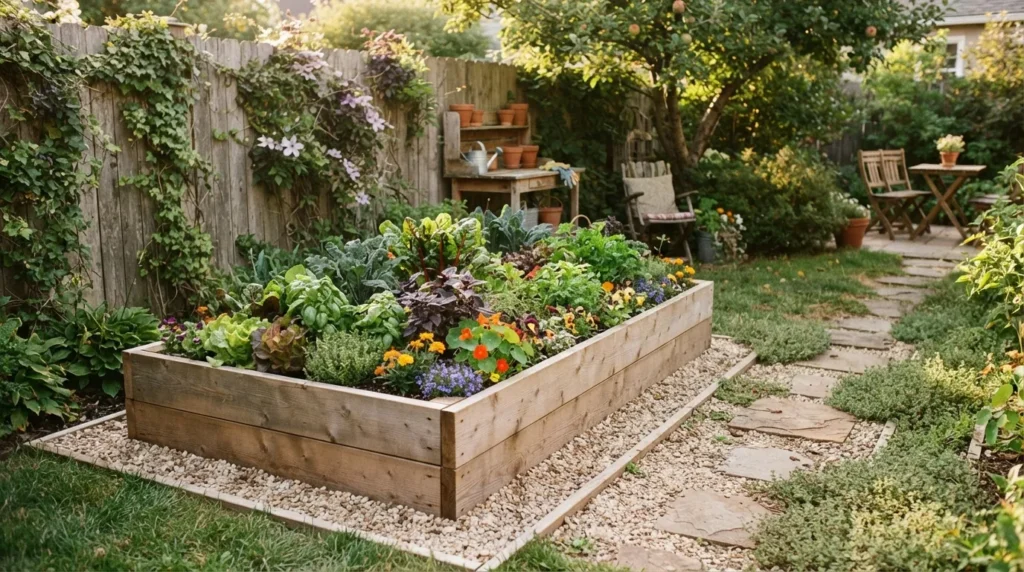
2. Raised Garden Bed
Create a compact planting zone that keeps vegetables and flowers organized.
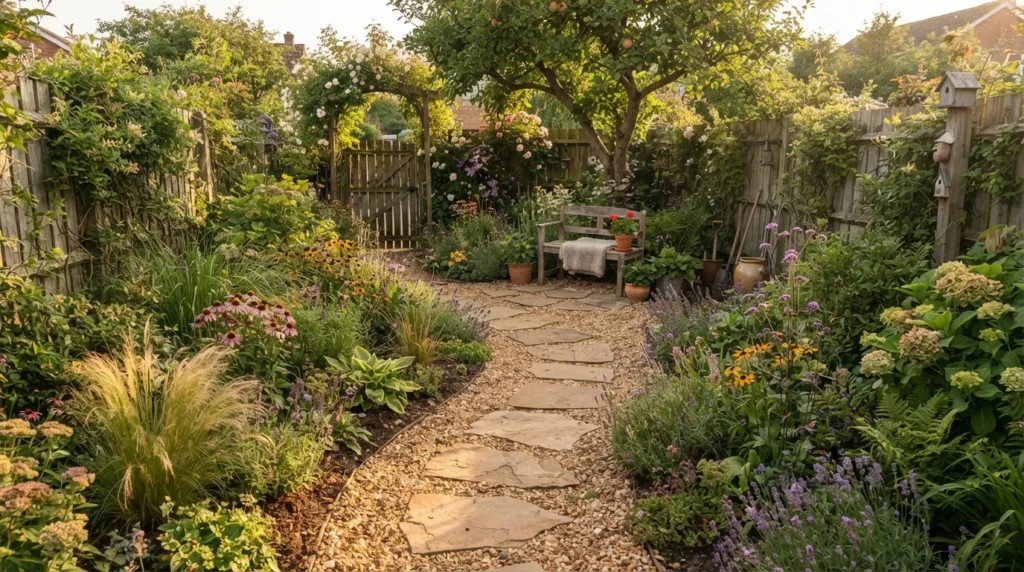
3. DIY Garden Path
Give a small yard structure with a simple path made for the available footprint.
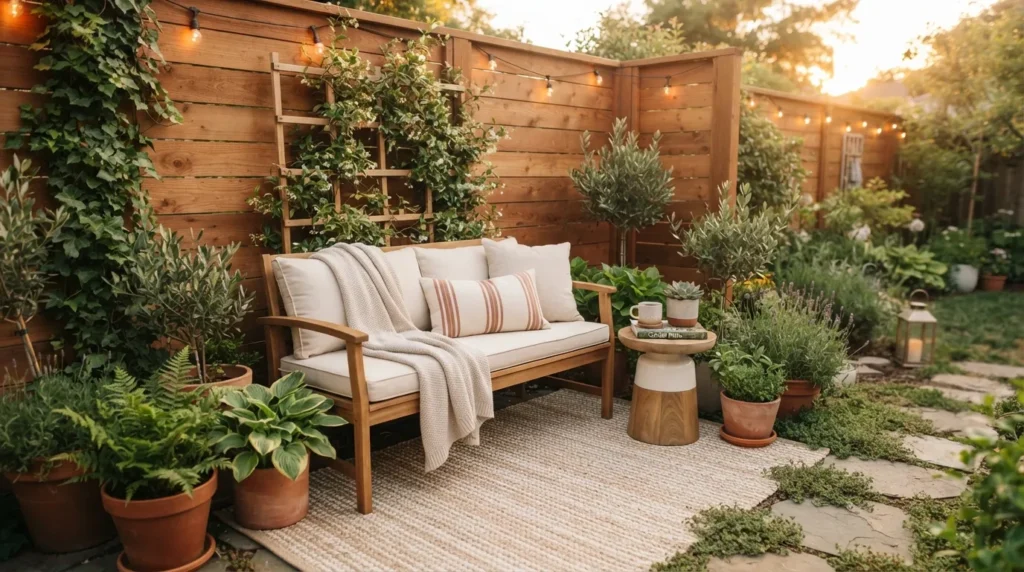
4. Corner Seating Nook
Transform an overlooked corner into a comfortable place to relax outdoors.
5. Hanging Planter Wall
Add layers of greenery without sacrificing valuable ground space.
6. Painted Garden Fence
Give a plain fence a fresh backdrop that makes plants and flowers stand out.
7. Compact Trellis
Use vertical growing space for climbing plants while adding height and privacy.
8. DIY Garden Edging
Define planting beds and pathways with simple, attractive borders.
9. Small Potting Station
Create a practical gardening zone where tools, pots, and supplies stay organized.
10. Outdoor Garden Lighting
Add warmth and definition with simple lighting placed around key garden features.
1. Vertical Herb Garden
Quick Benefits
- Uses vertical space
- Adds fresh greenery
- Works in narrow yards
- Keeps herbs easy to access
- Creates an attractive garden feature
Why It Works
When floor space is limited, vertical gardening allows you to grow more without expanding the garden footprint.
A wall, fence, railing, or sturdy freestanding structure can become a growing surface for herbs and compact plants.
This project is particularly useful for small yards because it combines gardening with decoration.
Instead of seeing a blank fence, you now have a living feature.
Herbs such as basil, parsley, thyme, mint, rosemary, and chives can be grown in suitable containers, depending on your local conditions.
The most important consideration is sunlight. Most culinary herbs prefer plenty of light, although growing requirements vary.
How To Style It
Create a simple vertical arrangement using individual pots, a wooden planter system, or suitable wall-mounted containers.
Use containers that provide adequate drainage.
Arrange larger plants toward the lower section and smaller containers higher up when appropriate.
Choose one consistent container style for a more polished appearance.
Natural wood, terracotta, galvanized metal, and neutral ceramic can all work beautifully.
Place frequently used herbs at a comfortable height.
Keep enough space between containers for watering, pruning, and plant growth.
If you’re working with a rental property, choose a freestanding vertical garden rather than attaching anything permanently to the building.
2. Raised Garden Bed
Quick Benefits
- Organizes planting space
- Works well in compact yards
- Creates defined garden zones
- Makes planting easier to manage
- Adds structure to the landscape
Why It Works
A small raised bed can give a compact yard a strong visual anchor.
Instead of spreading plants randomly throughout the available space, a raised bed creates one defined area for vegetables, herbs, flowers, or a combination.
The shape can be customized to the yard.
A long, narrow bed can work beside a fence.
A square bed can occupy a corner.
A smaller rectangular bed can sit beside a patio or outdoor seating area.
Raised beds also make it easier to control the planting mix within the bed, though drainage and local growing conditions remain important.
How To Style It
Use untreated, outdoor-appropriate lumber or another suitable material designed for garden use.
Avoid materials that may introduce unwanted chemicals into soil used for edible crops.
Keep the bed narrow enough that you can comfortably reach the center from the sides.
For a small yard, one well-designed bed can be more useful than several tiny ones.
Fill it with a combination of plants that share similar growing requirements.
For visual interest, combine different heights.
Place taller plants toward the back and shorter varieties toward the front.
Add a narrow mulch or gravel border around the bed to make maintenance easier and visually separate the planting zone from the rest of the yard.
3. DIY Garden Path
Quick Benefits
- Adds structure
- Defines movement through the yard
- Makes a small space feel intentional
- Protects planting areas
- Creates visual depth
Why It Works
A garden path does more than help you walk from one area to another.
In a small yard, it can visually divide the space into zones.
A simple path leading from the back door to a garden bed can make the yard feel more thoughtfully designed.
You don’t need a long walkway.
Even a short path through a planting area can create a destination.
The materials also influence the character of the yard.
Gravel creates a relaxed cottage-style appearance.
Stepping stones feel casual.
Brick can add traditional character.
Pavers can create a cleaner contemporary look.
How To Style It
Start by deciding where people naturally walk.
Use that route to determine the path’s position.
For a simple DIY option, create a stepping-stone path with appropriately sized outdoor stones or pavers.
Keep spacing consistent enough for comfortable walking.
If using gravel, install an appropriate base and edging according to the material and site conditions.
Surround the path with low-growing plants or mulch.
Avoid making the pathway too wide for the size of the yard.
A narrow, clearly defined route can preserve valuable planting and seating space.
4. Corner Seating Nook
Quick Benefits
- Gives the yard a clear destination
- Uses an overlooked corner
- Adds outdoor living space
- Works with small furniture
- Creates a relaxing atmosphere
Why It Works
Small yards often contain corners that don’t serve a clear purpose.
A compact seating area can turn one of those spaces into the most inviting part of the garden.
You don’t need a large outdoor sofa.
One or two chairs and a small table can create a complete seating experience.
A bench can be even more space-efficient because it can sit directly against a wall or fence.
The key is choosing furniture that matches the scale of the yard.
How To Style It
Place a slim bench or two compact chairs in a corner.
Add a small outdoor side table.
Use weather-appropriate cushions for comfort.
A rug can visually define the area if there is enough space.
Surround the seating area with potted plants or low garden beds rather than filling the floor with accessories.
Add one vertical element behind the seating, such as a trellis or climbing plant.
This creates a sense of enclosure without taking up much ground space.
5. Hanging Planter Wall
Quick Benefits
- Adds greenery vertically
- Saves ground space
- Creates a decorative focal point
- Works with small plants
- Makes plain walls more interesting
Why It Works
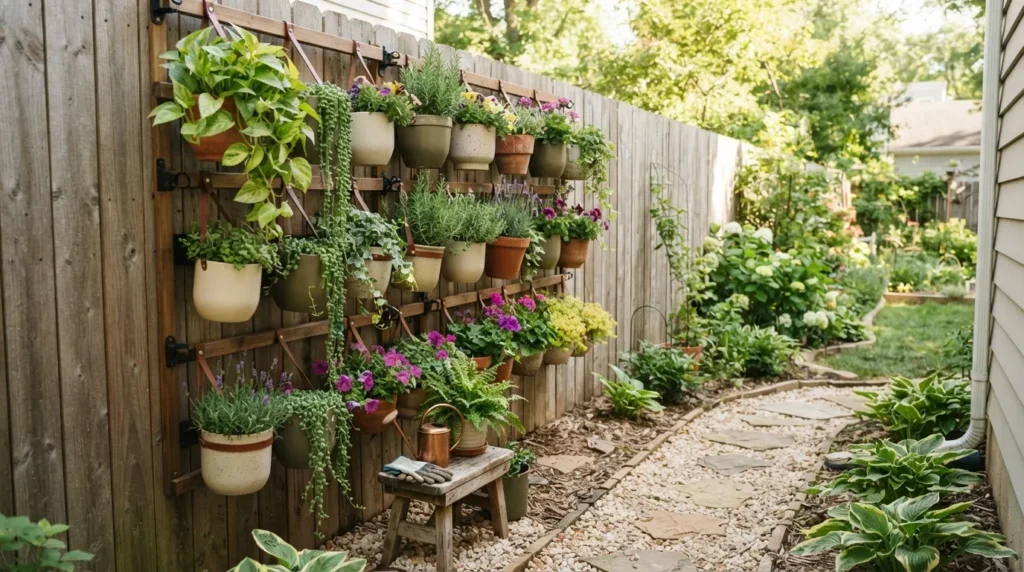
A blank fence or exterior wall can become valuable garden real estate.
Hanging planters bring plants upward while leaving the ground available for seating, pathways, or planting beds.
The arrangement can also become a major visual feature.
Instead of scattering pots around the yard, you create one intentional display.
This approach works particularly well with trailing plants, herbs, compact flowers, and foliage plants suited to the local climate.
How To Style It
Create a grid or staggered arrangement.
Repeat the same type of container for a clean modern appearance.
For a more eclectic garden, mix a few complementary materials.
Terracotta pots against a wood fence can create a warm cottage feel.
Matte black containers can create a more contemporary look.
Use appropriately rated hooks, brackets, or mounting systems for the weight of the containers.
Make sure irrigation and drainage won’t damage walls or create standing water.
Leave enough space between planters for mature plant growth.
6. Painted Garden Fence
Quick Benefits
- Refreshes an aging backdrop
- Makes plants stand out
- Defines the garden’s style
- Creates a stronger focal point
- Can be completed with basic tools
Why It Works
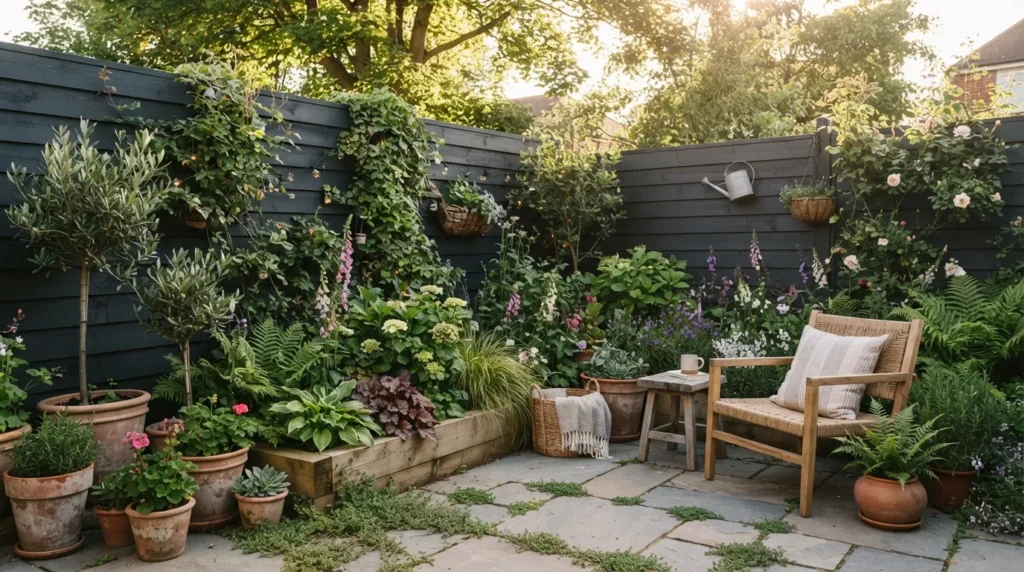
A fence occupies a large amount of visual space in many small yards.
Refreshing its color can therefore change the entire appearance of the garden.
A muted dark tone can make green foliage appear richer.
A warm white can create a brighter cottage-style setting.
A natural stain can emphasize wood grain.
The right finish depends on the existing architecture and the atmosphere you want to create.
Always choose a coating appropriate for the fence material and outdoor exposure.
How To Style It
Clean and prepare the surface before painting or staining.
Repair damaged areas first.
Choose an exterior-rated finish designed for the specific material.
For a modern garden, a deep neutral fence can create a sophisticated backdrop for green plants.
For a cottage-style yard, a lighter tone can feel softer.
Don’t feel obligated to paint every garden structure the same color.
A consistent palette of two or three finishes can create enough cohesion.
Use the fence as the backdrop and let plants provide most of the color.
7. Compact Trellis
Quick Benefits
- Adds vertical interest
- Supports climbing plants
- Creates privacy
- Uses minimal floor space
- Adds architectural structure
Why It Works
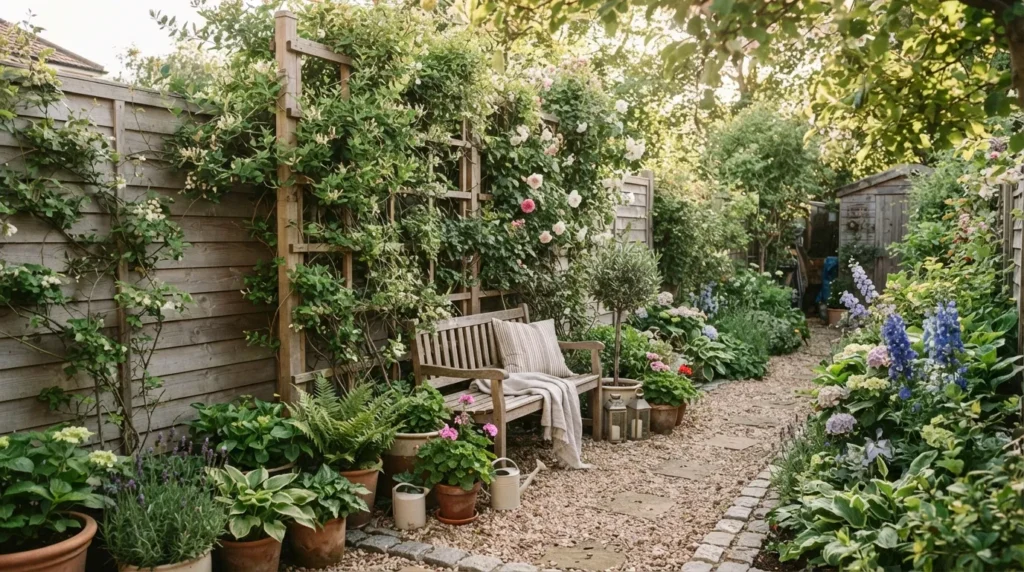
Trellises are one of the most useful features for small gardens because they encourage plants to grow upward.
A simple trellis can transform an empty wall or fence section into a living feature.
Climbing plants can provide greenery, flowers, and seasonal interest.
A trellis can also create a subtle sense of separation between different areas of a small yard.
This makes the garden feel more layered without adding large structures.
How To Style It
Choose a trellis size that fits the scale of the yard.
A narrow vertical design can work particularly well in compact spaces.
Install it securely using appropriate hardware for the structure and the expected mature plant weight.
Select climbing plants based on sunlight, climate, available support, and mature size.
Place the trellis near a seating area if you want a more enclosed feeling.
Keep the base relatively clear so the structure remains visible.
As the plant grows, guide stems gently according to the plant’s needs.
8. DIY Garden Edging
Quick Benefits
- Defines planting beds
- Creates cleaner boundaries
- Reduces visual clutter
- Makes maintenance easier
- Adds polished detail
Why It Works
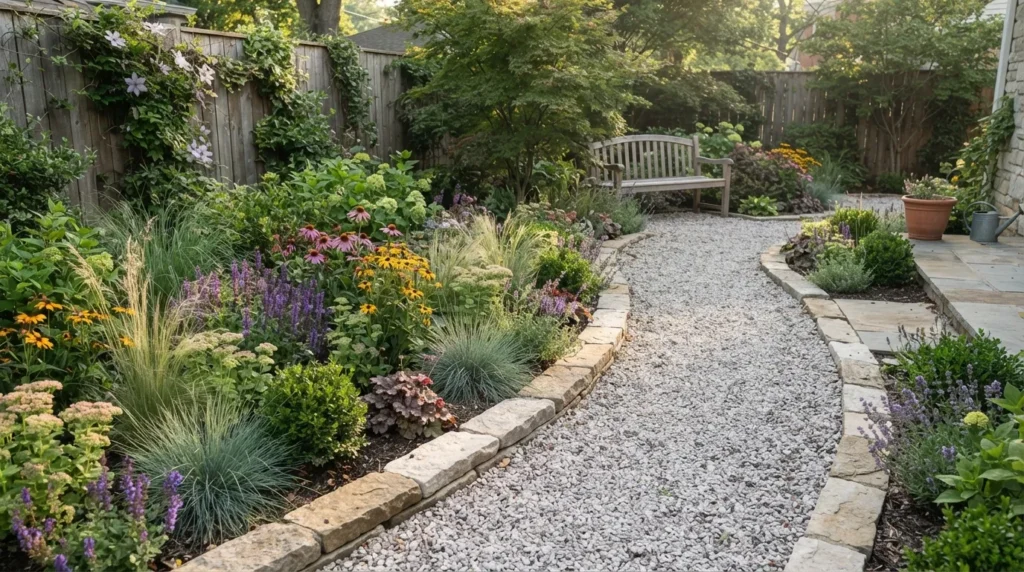
Small yards benefit from clear visual boundaries.
Without edging, grass, gravel, mulch, and planting areas can gradually blend together.
Simple edging creates definition.
It can also make an inexpensive garden feel more finished.
Materials can range from brick and stone to metal, timber, or other outdoor-rated landscape edging.
The choice depends on your garden style and local conditions.
How To Style It
Follow the natural shape of the garden rather than forcing complicated curves into a small area.
For a contemporary look, use clean straight lines.
For a cottage-style garden, softer curves can work beautifully.
Keep the edging relatively low so it doesn’t visually overpower the plants.
Repeat the same material in other parts of the yard when possible.
For example, stone edging can coordinate with a stepping-stone path.
Wood edging can complement a raised bed or wooden seating.
The result is subtle but effective.
9. Small Potting Station
Quick Benefits
- Organizes gardening supplies
- Creates a dedicated work area
- Uses vertical storage
- Keeps tools accessible
- Adds practical charm
Why It Works
Gardening becomes easier when the tools you use most are stored close to the plants.
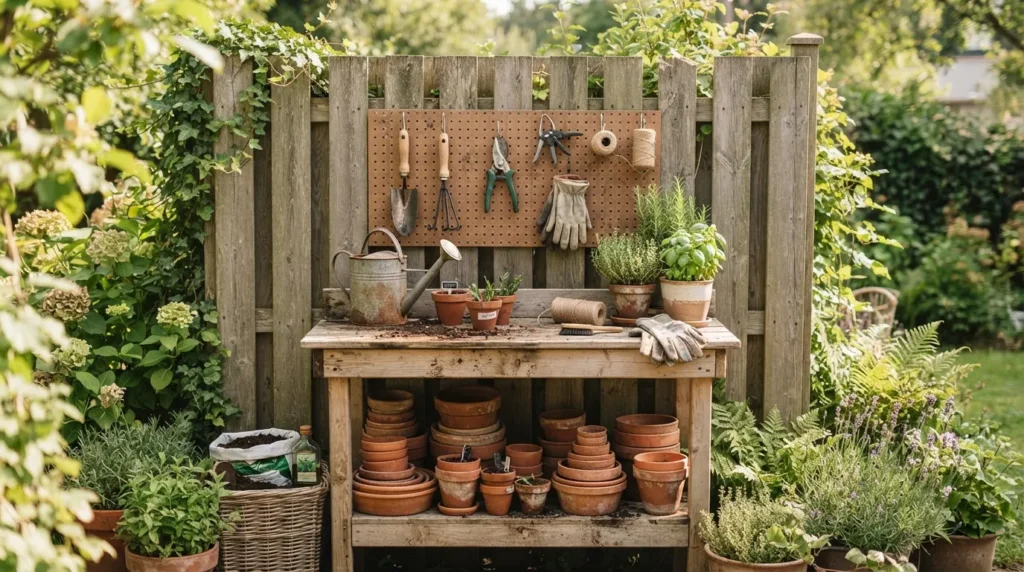
A compact potting station can turn a small unused wall or corner into a practical work zone.
You don’t need a full outdoor shed.
A narrow table with a shelf underneath can hold pots, soil, gloves, hand tools, and watering supplies.
A pegboard or rail above the table can provide additional vertical storage where appropriate.
This project works especially well for gardeners who regularly grow herbs, flowers, or container plants.
How To Style It
Start with a narrow outdoor worktable.
Add one lower shelf for pots and containers.
Use wall-mounted hooks for small hand tools if the structure allows.
Store soil in sealed, weather-appropriate containers.
Keep frequently used tools within easy reach.
A small stool can provide seating while you’re working.
Choose natural wood or a neutral finish so the station blends into the garden.
Avoid allowing the area to become general-purpose storage.
Give it a clear gardening function.
10. Outdoor Garden Lighting
Quick Benefits
- Extends garden enjoyment into the evening
- Highlights plants and paths
- Creates atmosphere
- Defines garden zones
- Adds visual depth
Why It Works
Lighting can make a small yard feel completely different after sunset.
Rather than illuminating every part of the garden equally, focus on a few important areas.
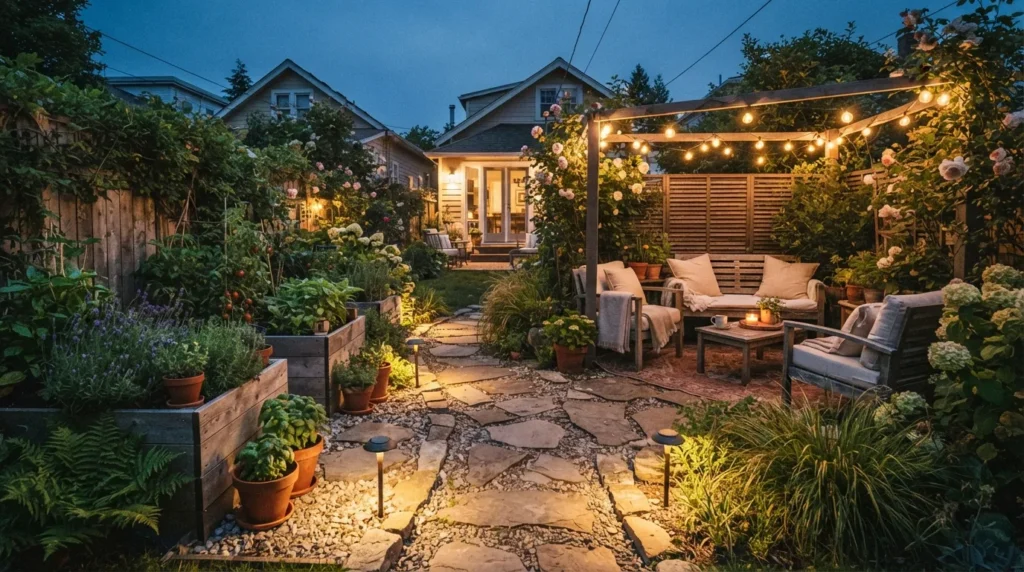
A softly lit path can guide movement.
A small light near a seating area can create a destination.
Low-level lighting around plants can highlight foliage and texture.
The result is a layered outdoor environment rather than one bright space.
Always choose outdoor-rated fixtures and follow installation requirements.
Electrical work may require a qualified professional depending on the installation.
How To Style It
Use lighting sparingly.
Solar lights can be useful where conditions provide sufficient sunlight.
String lights can create warmth around a seating area when installed appropriately.
Low pathway lights can define a walkway.
Small accent lights can highlight a tree, planter, or trellis.
Avoid placing lights directly at eye level.
Aim for gentle illumination rather than glare.
The best garden lighting is often the lighting you notice without feeling overwhelmed by it.
How To Make a Small Yard Look Bigger
A small yard doesn’t need to physically become larger to feel more spacious.
The layout can make a significant difference.
Use Vertical Space
Trellises, hanging planters, wall gardens, and tall plants draw attention upward.
Keep the Center Open
Avoid filling the middle of the yard with furniture and planters.
Create Clear Zones
A seating area, garden bed, and pathway can each have a defined purpose.
Repeat Materials
Using the same wood, stone, or metal finish in several places creates continuity.
Use Larger Features Carefully
One substantial planter or focal tree can sometimes look cleaner than many tiny decorative objects.
Keep Pathways Simple
A clear route makes the garden easier to navigate and visually organized.
Use Light Colors Strategically
Pale fences, gravel, and furniture can make some spaces feel brighter, while darker backdrops can make greenery stand out.
Best Plants for Small DIY Gardens
Choosing plants based on your specific conditions is more important than choosing them based solely on appearance.
Consider:
- Sun exposure
- Shade patterns
- Wind
- Soil conditions
- Container size
- Mature plant size
- Water requirements
- Local climate
- Maintenance time
For small yards, plants with compact or vertical growth habits can be particularly useful.
Herbs can provide both beauty and function.
Climbing plants can use walls and trellises.
Container flowers can introduce seasonal color.
Small ornamental grasses can add movement and texture.
Native plants suited to your area can also be valuable choices because they are adapted to local conditions.
Always check mature dimensions before planting.
A plant that looks small at the garden center can become too large for a compact yard.
Budget-Friendly DIY Garden Materials
You don’t need expensive landscaping materials for every project.
Useful options can include:
- Reclaimed wood in appropriate condition
- Terracotta pots
- Simple metal containers
- Gravel
- Basic pavers
- Outdoor-rated paint
- Natural stone
- Existing garden furniture
- Repurposed containers with proper drainage
- Affordable solar lighting
- Simple trellis materials
However, don’t sacrifice structural safety or material suitability simply to reduce cost.
Outdoor materials face moisture, sunlight, temperature changes, and wind.
Use materials appropriate for the job, particularly for raised beds, seating, mounting systems, and structures that support people or heavy loads.
Small Yard Design Mistakes To Avoid
Filling Every Empty Space
Negative space helps a compact yard feel larger.
Using Oversized Furniture
Choose pieces that allow comfortable movement around them.
Ignoring Plant Maturity
Always consider the eventual size of plants.
Creating Too Many Focal Points
One or two strong features usually create more impact than a yard full of competing decorations.
Forgetting Drainage
Water needs somewhere to go. Poor drainage can damage plants, structures, and nearby surfaces.
Skipping Building Rules
Check HOA, rental, municipal, and property requirements before modifying fences, walls, structures, or drainage.
Choosing High-Maintenance Features
A beautiful garden is easier to enjoy when its maintenance fits your schedule.
FAQ
What are the best DIY projects for a small yard?
Vertical gardens, raised beds, compact trellises, simple garden paths, corner seating, hanging planters, and garden edging are especially useful. These projects add function and visual interest without requiring a large footprint.
How can I make a small yard look bigger?
Keep the center relatively open, use vertical planting, create clear zones, and avoid oversized furniture. Repeating materials and colors can also make the space feel more cohesive. A simple path can guide the eye through the garden and create additional visual depth.
What can I build in a small backyard?
You can create raised garden beds, trellises, planter walls, compact seating areas, garden paths, potting stations, edging, and simple lighting features. Choose projects based on your yard’s size, sunlight, drainage, budget, and local property requirements.
What is the easiest DIY garden project?
A simple container garden or vertical planter display is a good starting point. You can create one using suitable containers, potting material, and plants selected for your light conditions. Garden edging and a small seating nook can also be relatively straightforward projects.
How do I add privacy to a small yard?
Vertical trellises, climbing plants, tall container plants, and suitable outdoor screening can provide privacy without consuming much floor space. Use freestanding or removable options when appropriate for rental properties, and check local or property-specific rules before installing screens.
How do I garden when I have very little space?
Prioritize vertical growing, compact raised beds, containers, hanging planters, and plants suited to small spaces. Grow upward whenever possible and select varieties based on mature size. Combining edible plants with ornamental greenery can also make a small garden more productive.
How much does it cost to transform a small yard?
The cost varies significantly based on materials, existing conditions, and project complexity. Simple container gardens, DIY edging, and basic seating can require relatively little. Larger projects involving drainage, electrical work, structures, or extensive landscaping can cost considerably more. Creating a plan first helps control unnecessary spending.
Conclusion
A small yard can become a beautiful outdoor retreat without requiring a major landscaping project.
The best transformations often come from simple ideas that solve more than one problem.
A vertical herb garden adds greenery and growing space. A raised bed creates structure. A trellis brings plants upward. A corner bench turns unused space into somewhere to relax. Even simple edging or outdoor lighting can make the entire garden feel more finished.
The key is to work with the size of your yard rather than trying to make it behave like a much larger landscape.
Choose projects that match your lifestyle.
If you enjoy gardening, prioritize raised beds, herbs, planters, and trellises. If relaxing outside matters more, create a comfortable seating nook. If your yard feels visually plain, focus on vertical greenery, a refreshed fence, or layered lighting.
Start with one project.
Once you see how much difference a single thoughtful change can make, the rest of the yard becomes easier to plan.
A small outdoor space doesn’t need more things.
It needs the right things in the right places.
With thoughtful DIY projects, even the smallest yard can feel green, functional, welcoming, and distinctly your own.
Related Articles
- 10 Small Garden Ideas for Beautiful Outdoor Spaces
- 10 Garden Decor Ideas That Look Expensive on a Budget
- 10 Small Balcony Ideas for Cozy Apartment Living
- 10 Backyard Landscape Design Ideas with Beautiful Greenery
- 10 DIY Garden Projects for a More Beautiful Backyard